Solar Installation Process Steps: From Consultation to Activation
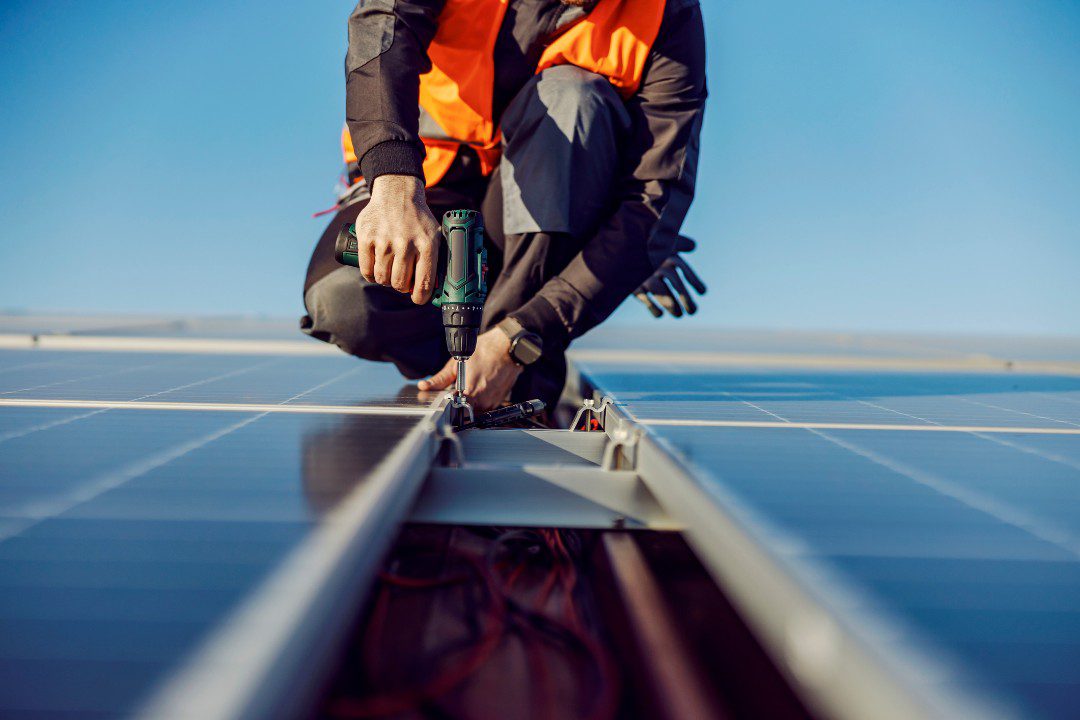
Going solar is one of the smartest financial decisions a Southern California homeowner can make, but the process can feel overwhelming if you don’t know what to expect. This guide walks you through every solar installation process step, from your first conversation with our team to the moment your system powers on. Understanding each step of the solar installation gives you the confidence to move forward, ask the right questions, and make informed decisions along the way.
At New Day Solar, we guide you through every step of the process with transparency, expertise, and the kind of personal attention you’d expect from a family-owned solar company that has served Southern California for over two decades.
Step 1: Free Solar Consultation
The first step in the solar installation process is a free consultation with one of our solar advisors. This is where understanding the solar installation process really begins, because no two homes are the same and no two energy needs are identical.
What Happens During Your Solar Consultation
Your solar advisor will review your recent electricity bills, assess your roof’s age, orientation, and condition, and discuss your current and future energy needs. This conversation shapes everything that follows. If you’re considering adding an EV charger or battery backup, now is the time to mention it.
During the consultation, your advisor will also walk you through your financing options. Many homeowners are surprised to learn how accessible solar has become thanks to $0 down financing and the federal solar tax credit, which can offset a significant portion of your installation costs. For a deeper look at what financing options are available, visit our Solar Pricing and Payment Options page.
Why the Consultation Sets the Tone
The consultation to activation journey depends on the quality of information gathered at this stage. A thorough solar consultation means your system design will match your energy needs, your installation will go smoothly, and you won’t face surprises down the road. We encourage every homeowner to come prepared with at least 12 months of utility bills and a list of questions for your installer.
Step 2: Custom System Design and Proposal
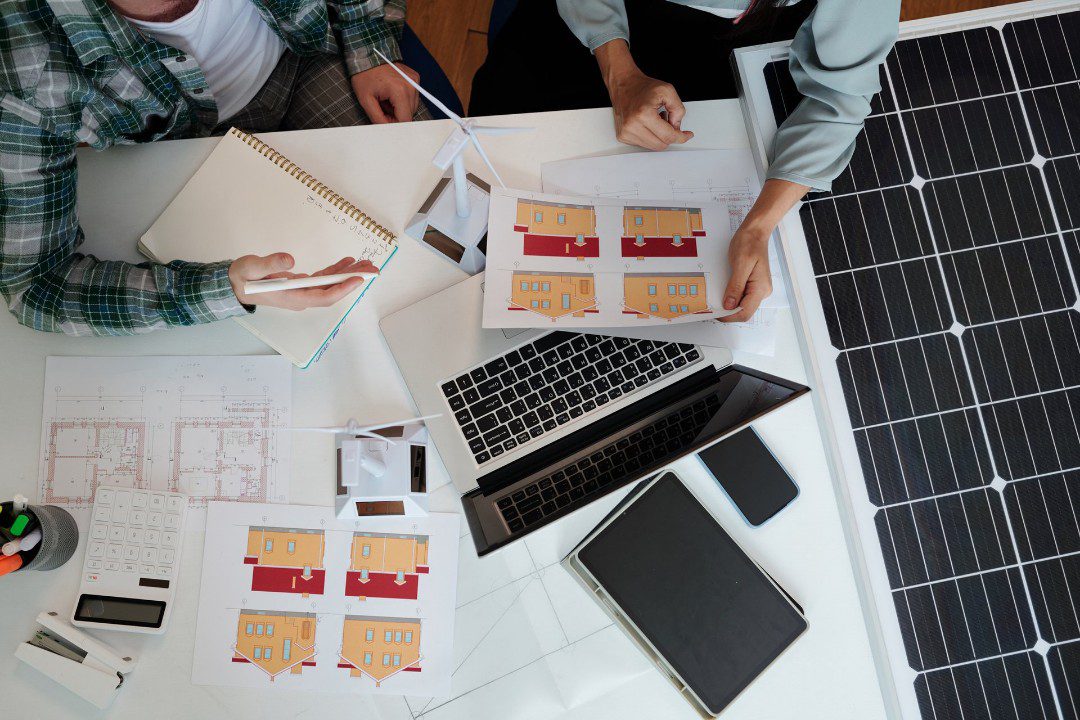
Once your solar advisor has gathered the information needed, our engineering team develops a custom solar system design for your home. This step translates your energy goals into a planned solar layout that is specific to your roof, your usage patterns, and your budget.
How Your Solar System Design Comes Together
Custom system design starts with satellite imagery and energy data. The team maps out panel placement, calculates projected energy production, and selects the right solar panel types and inverter configuration for your home. Modern solar systems use microinverters or string inverters depending on roof complexity and shading conditions.
The inverter plays a critical role in your system’s performance. It converts the direct current (DC) electricity generated by your solar panels into the alternating current (AC) electricity your home uses. Choosing the right inverter for your system design is a decision your installer will guide you through based on your roof layout and energy goals.
Reviewing Your Solar Proposal
Your proposal will include a breakdown of the solar panel count, system size, projected annual energy production, estimated installation costs, and your expected return on investment. This is also where your solar incentives will be outlined, including the federal solar tax credit and any state or local programs that apply to your situation. Take time to carefully review the solar contract before signing. Our article “Questions to Ask Your Solar Installer Before Signing a Contract” is a great resource to help you feel confident before you commit.
Step 3: Permits and Approvals
After you sign the solar contract, the permitting process begins. Solar installations require permits from your local building department, and this step is one that many homeowners underestimate in terms of time. Understanding the solar permit to PTO timeline helps set realistic expectations for when your system will be up and running.
What Permits Are Required for Solar Installation
Every solar installation requires a building permit from your local jurisdiction. In Southern California, this means your installer submits engineering drawings and electrical plans to the local building department for review. The plans must show that your system meets all safety standards, localbuilding codes, and utility interconnection requirements.
Some jurisdictions now offer digital permitting, which can reduce approval time considerably. Permit approval can take anywhere from a few days to several weeks, depending on your city or county. Municipalities with high solar adoption rates, like those in Riverside and San Diego counties, tend to process permits more quickly.
HOA Approvals and Additional Considerations
If your neighborhood has an HOA, California law protects your right to install solar panels, but you may still need to submit plans for approval. Your installer will help you navigate this step and prepare the appropriate documentation. Proper installation documentation submitted correctly the first time avoids costly delays.
For a detailed breakdown of the permitting process, our article “What’s Involved With Solar Panel Permits” covers everything you need to know.
Step 4: Physical Installation of Your Solar Panels
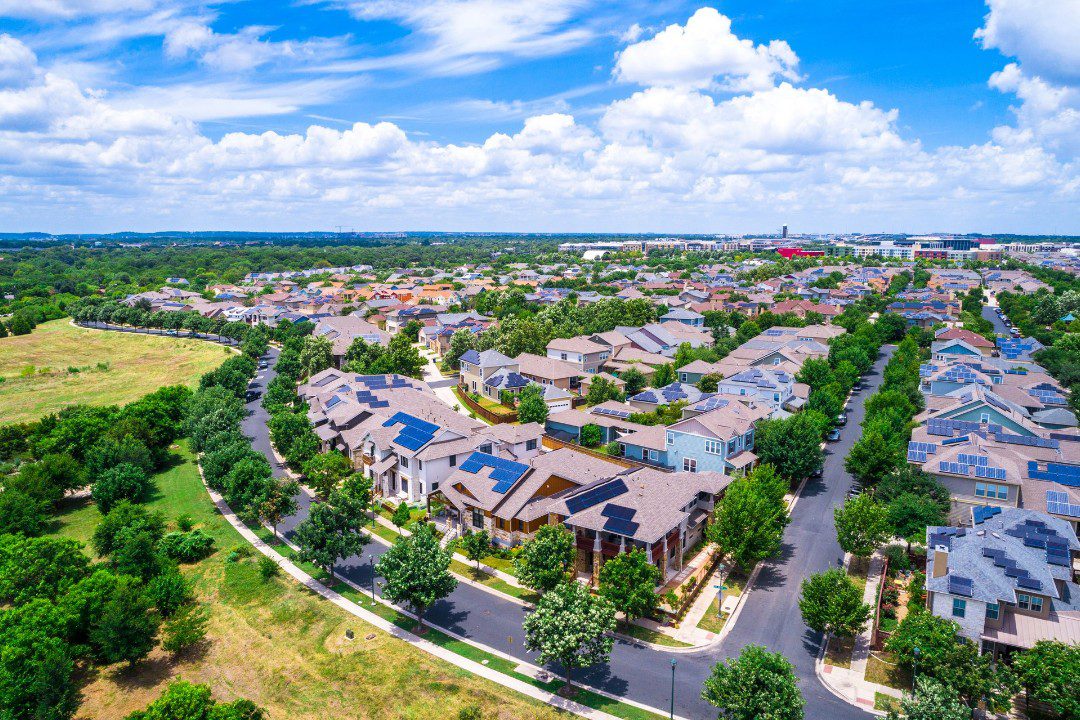
Once permits are approved, your installation day is scheduled. For most residential solar projects, the physical installation is completed in one to three days depending on system size and complexity.
What to Expect on Installation Day
Your installation crew will arrive with all the equipment needed to install the solar panels, mount the racking system, run electrical wiring, and connect the inverter. The team works efficiently and takes care to protect your roof and property throughout the process.
Panel placement follows the approved plan and is optimized for maximum sun exposure. Once the solar panels are mounted and the inverter is connected, the system is ready for inspection. A standard residential solar panel installation process moves quickly when permits are in order and the roof is in good condition.
Professional Installation Matters
Professional installation is the only way to ensure your solar system operates safely, qualifies for warranties, and meets all permitting requirements. Every solar installer on the New Day Solar team is trained and certified to handle residential solar projects across Southern California.
Step 5: Inspection and Utility Interconnection
After the installation is complete, the system must pass inspection before it can operate. Solar installations require a sign-off from your local building department and, for grid-connected systems, approval from your utility company.
The Building Inspection Process
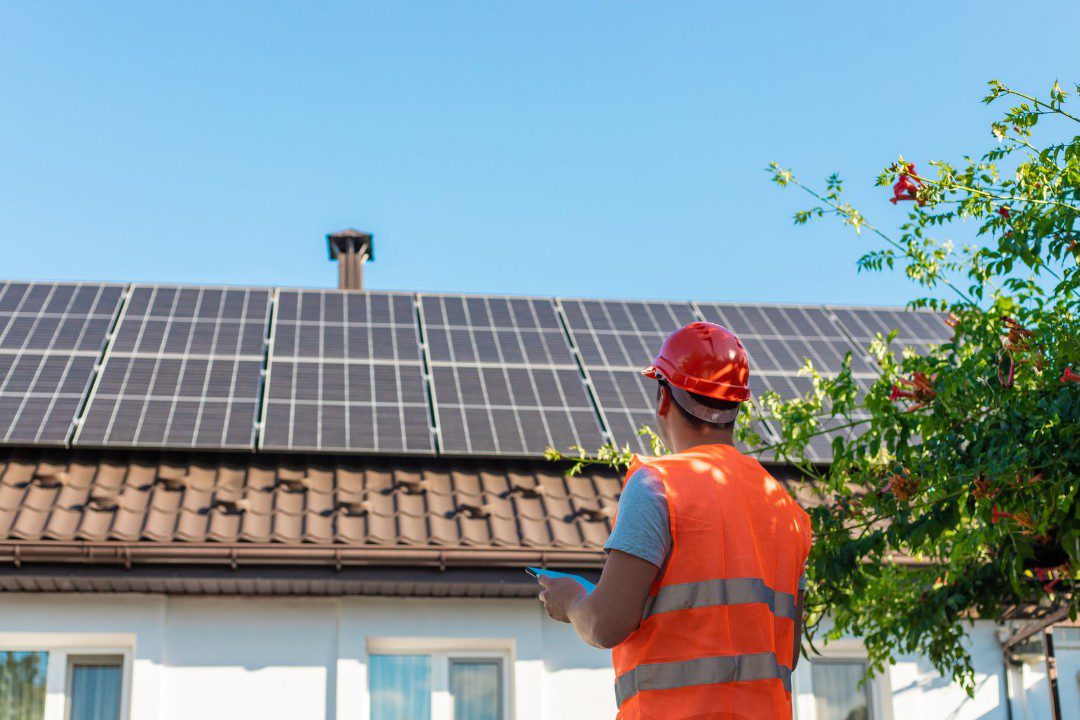
A building inspector visits your home to verify that the solar panel installation meets local building codes and codes and regulations set by the jurisdiction. The inspector checks mounting hardware, electrical wiring, grounding, and the inverter installation. If everything is in order, the permit is signed off.
Utility Interconnection and PTO
After the inspection is completed, New Day Solar submits net metering paperwork to your utility company. Utility companies then process this documentation and schedule their own meter inspection or upgrade. Once everything is approved, they issue Permission to Operate, commonly known as PTO.
The solar permit to PTO timeline varies by utility company. In Southern California, this stage typically takes one to two weeks after your inspection passes. Your installer handles this process on your behalf, but knowing the timeline helps you plan accordingly.
Step 6: System Activation
System activation is the moment you’ve been waiting for. Once PTO is granted, your solar system is officially turned on and begins generating clean electricity for your home.
What Happens at Activation
Your installer will walk you through your monitoring app or system dashboard so you can track energy production in real time. Modern solar systems connect to smartphone apps that show you exactly how much solar energy your panels are generating at any moment. This transparency is one of the most satisfying parts of going solar.
From the initial consultation to system activation, most residential solar projects in Southern California are completed within six to ten weeks from contract signing. Permitting is typically the longest part of the solar installation process, with the physical installation and activation moving much faster once approvals are in place.
Your Home Solar System Is Now Live
The transition to solar is complete. Your solar system operates quietly, with no moving parts and solar panels require very little attention once they’re running. You’ll begin seeing the impact on your electricity bills right away, and your solar solution will keep paying off for decades to come.
How Long Does the Solar Installation Process Take?
The installation process typically takes six to twelve weeks from your free solar consultation to full activation, depending on permit timelines and utility processing speeds. Here’s a general breakdown:
The consultation and system design phase takes about one to two weeks. Permit submission and approval from your local building department generally takes two to six weeks. The physical installation itself takes one to three days. Inspection and utility interconnection typically takes one to three weeks. Activation follows immediately after PTO is granted.
For homeowners eager to start and finish their solar installation process quickly, working with an experienced solar installer who knows your local jurisdiction makes a significant difference. New Day Solar has completed thousands of residential solar and commercial solar installations across Southern California, which means we know how to move projects forward efficiently.
Solar Incentives That Make Going Solar Even Smarter
One of the most compelling reasons to go solar now is the range of incentives available to California homeowners. The federal solar tax credit currently allows you to deduct a percentage of your solar installation cost from your federal taxes. This incentive has made solar more affordable for millions of households and continues to be one of the strongest financial drivers for solar adoption.
California’s NEM 3.0 policy also shapes how your system should be designed. A custom solar system design that accounts for self-consumption and, where appropriate, battery storage, is now more important than ever. Your solar advisor will factor current policy into your proposal from day one.

Frequently Asked Questions
How many solar panels does my home need?
The number of solar panels your home needs depends on your average monthly electricity usage, your roof’s available space, and the efficiency of the panels selected. Your installer will calculate this during the system design phase based on your specific needs.
Does my roof need to be replaced before solar installation?
Not necessarily, but your installer will assess your roof’s condition during the consultation. Homes built after 2000 typically have modern electrical systems and roofing that works well with solar. If your roof needs attention, it’s worth addressing before solar panels go up.
Can I install solar panels myself?
While DIY solar kits exist, residential solar installations require permits and inspections that are designed for licensed contractors. Professional installation ensures your solar system meets safety standards and qualifies for manufacturer warranties and solar incentives.
What is PTO?
PTO stands for Permission to Operate. It is the authorization issued by your utility company that allows you to turn on your solar system and connect it to the grid. No solar system should be turned on without PTO in place.
Do solar panels require maintenance?
Solar panels require very little maintenance. Periodic cleaning removes dust and debris that can reduce energy production. New Day Solar offers maintenance plans that include cleaning and annual inspections to ensure your system continues to perform at its best. Read more about our services in our guide “What’s Included in a Solar Protection Plan“.
Ready to Start Your Solar Installation?
Understanding the solar installation process from consultation to system activation is the first step toward making a confident decision for your home and your future. Every solar installation we complete at New Day Solar is backed by over two decades of experience across the communities we serve: Riverside, San Diego, Los Angeles, Orange, and Ventura counties.
Take the first step today. Schedule your free solar consultation with the New Day Solar team and let us build a home solar panel installation plan designed around your lifestyle, your home, and your energy goals. We’re here to guide you through every step of the process, from your first question to the day your solar system comes to life.
Explore Residential Solar at New Day Solar or call us at (951) 927-7651 to request your free solar consultation today.

Posted by New Day Solar
2 days ago / July 12, 2026
At New Day Solar, we are committed to improving the world we live in, as well as helping our community create brighter tomorrows!
With the expertise that New Day Solar provides, as well as the federal tax credits and rebates available, solar electricity is beneficial to everyone. Not only will you help conserve our environment, but you can save some money too! Solar electricity is not just a luxury, but also an investment for your home and country. Electricity is only going to get more expensive, but with help from New Day Solar, you can harness the sun’s energy and use it to your advantage.
Filed Under: