Can Solar Panels Damage Your Roof?
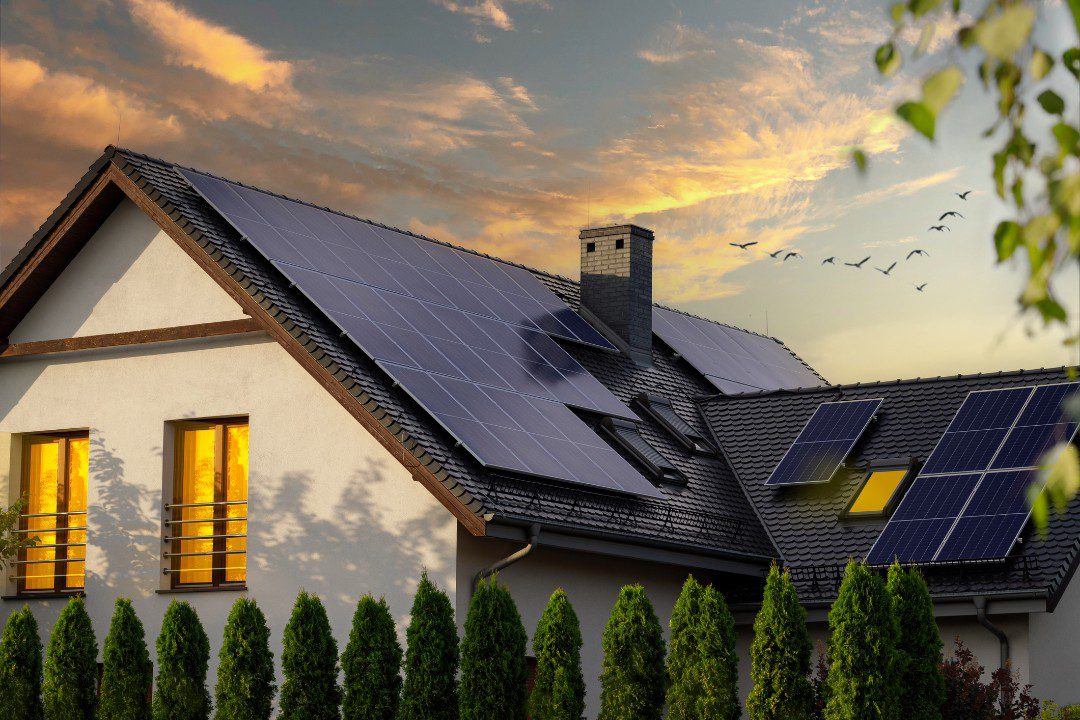
Every homeowner asks this question before going solar.
One of the first questions homeowners ask when considering solar is, “What is this going to do to my roof?” With mounting hardware, roof penetrations, and equipment that will sit on top of your home for decades, the concern makes sense.
The truth is, solar panels won’t damage your roof if the system is designed correctly and installed by a qualified installer. In fact, properly installed solar panels can actually protect your roof from sun exposure, heat, and wear and tear over time. The problems that may arise with the roof almost always trace back to poor workmanship, rather than the panels themselves.
This article will break down the facts around roof damage from solar panels, separate myth from reality, and explain what to look for when choosing a solar installer.
Do Solar Panels Damage Your Roof?
Whether solar panels damage your roof depends entirely on how the installation is handled. Improper installation is a risk, but not the panels themselves.
The Truth About Roof Penetrations
Most rooftop solar installations require small holes drilled into the roof to secure the mounting hardware that holds the panels in place. This is the part that makes many homeowners nervous, and understandably so. Holes in your roof sound like they’ll increase the possibility of water leaks.
To protect against the risk of water damage, professional installers use flashing and sealant systems specifically designed to make those penetrations watertight. When done correctly, those sealed points are no more vulnerable to leaks than the existing penetrations already on your roof, such as plumbing vents, skylights, or chimney bases. A qualified installer knows how to work with your roof type and roofing materials to keep the system tight and the structure intact.
When Solar Panels Could Cause Problems
Solar panels could cause issues in a handful of scenarios, all of which come down to the quality of the work performed:
- Faulty flashing or sealant. If the installer doesn’t properly seal around roof penetrations, water can work its way in over time. This is the most common cause of roof leaks tied to solar installations, and it’s entirely preventable.
- Incorrect mounting systems. Mounting systems that aren’t matched to the roof type or load requirements can stress the roof structure in ways it wasn’t designed to handle.
- Installing solar panels on a roof that’s already compromised. Adding solar panels to a roof that’s nearing the end of its lifespan or has existing damage is a recipe for disaster. The panels themselves aren’t the cause, but they can make it harder and more costly to address underlying roof issues later.
- DIY solar attempts. DIY solar installation poses significant risk of improper installation, voided warranties, and serious damage to the roof and electrical systems.
How Professional Solar Panel Installation Protects Your Roof
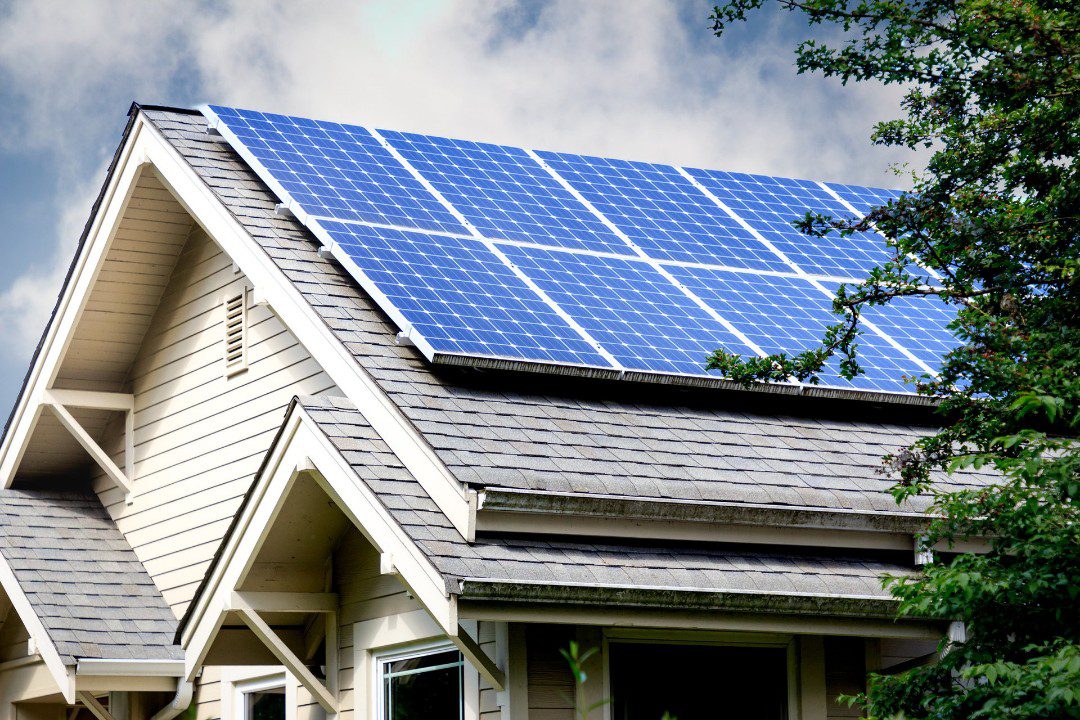
A professional solar panel installation follows a clear set of best practices that prioritize both the roof’s integrity and the long-term performance of the solar system. Here’s what the process looks like when it’s done right.
Roof Inspection Before Installing Solar Panels
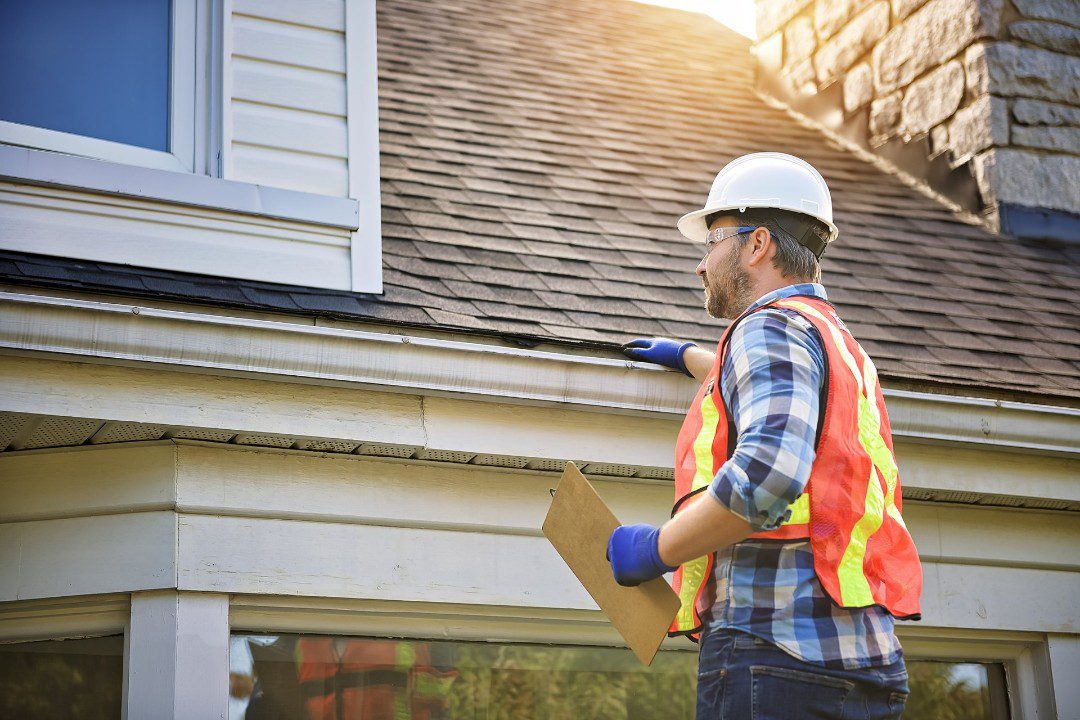
Before a single panel goes up, a professional solar technician will inspect the roof thoroughly. This includes evaluating the age of the roof, checking for existing damage, inspecting the roof structure for load-bearing capacity, and identifying any areas that need repair before beginning installation.
If the roof may need replacing within the next five to seven years, most experienced installers will recommend replacing your roof before installing solar panels. Taking that step upfront avoids a costly situation later where panels need to be removed to perform roof repairs, then reinstalled.
Mounting Systems Designed for Your Roof Type
Not every solar installation looks the same. Mounting systems vary based on roof type, pitch, roofing materials, and local building requirements. An installer who uses the same hardware and technique on every roof is cutting corners.
For asphalt shingles, lag bolts are typically driven into the rafters and covered with flashing to redirect any water away from the penetration point. For tile roofs, which are common throughout Southern California, specialized mounting systems lift and replace tiles to create a clean, watertight connection without cracking or compromising the tile around it. For a flat roof, the best approach is a ballasted racking system that requires few or zero roof penetrations.
Identifying the right mounting system is one of the most important decisions made during the installation process, and it’s one of the clearest ways to separate a quality installer from a careless one.
Flashing and Waterproofing at Every Penetration Point
At every point of contact between the roof and mounting hardware, the roof should be flashed and sealed. Flashing is a thin piece of metal, typically aluminum or galvanized steel, that’s integrated beneath the surrounding roofing materials to direct water away from the penetration. On top of that, a waterproof sealant is applied to create a second barrier.
When this step is done correctly, the sealed penetration points are weather-resistant and built to last well beyond the lifespan of the panels. When it’s skipped or rushed, roof leaks become more likely over time.
How Solar Panels Can Help Protect Your Roof
To the surprise of many homeowners consider solar for the first time, solar panels can actually protect the sections of the roof beneath them in several meaningful ways.
Shielding from UV Exposure and Heat
Roofing materials degrade over time largely because of direct sun exposure. UV radiation breaks down shingles, tiles, and underlayment, contributing to the natural wear and tear that eventually requires a full roof replacement. Solar panels act as a physical barrier between the sun and the roof surface beneath them, slowing degradation on the covered sections.
Studies have shown that the roof surface beneath a solar array runs cooler than exposed sections because the panels absorb heat and convert sunlight into energy before it reaches the roof. In Southern California, that protection adds up to considerable savings on cooling costs.
Defense Against Harsh Weather
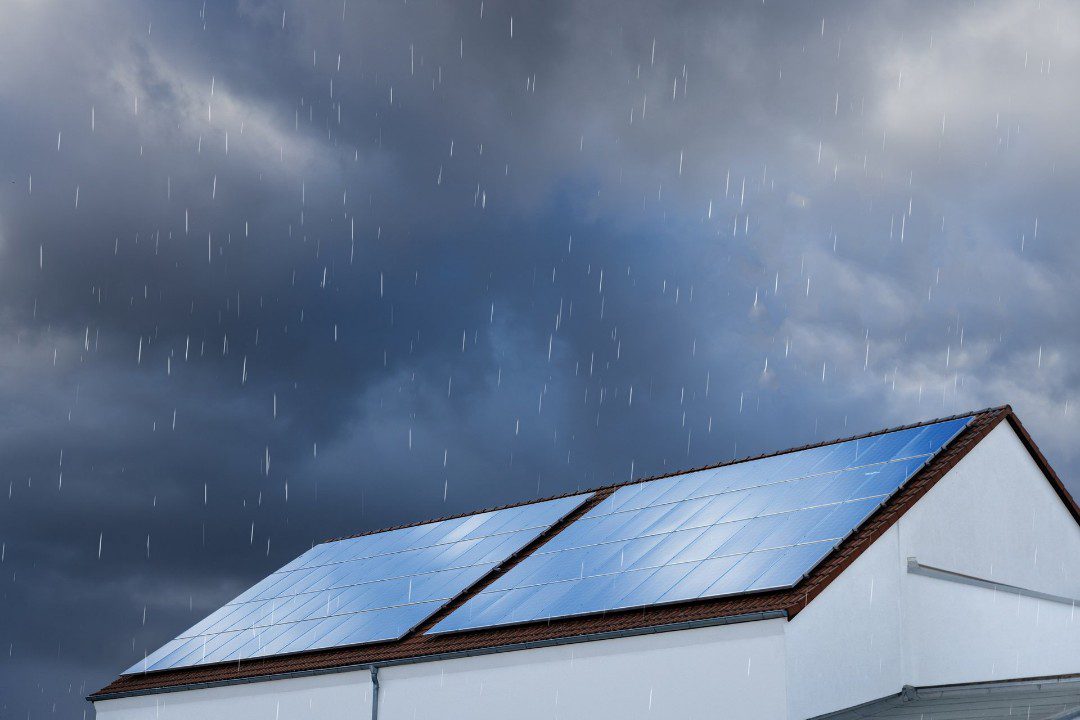
Solar panels are engineered to withstand harsh weather, including hail, high winds, and heavy rain. Most residential solar panels are rated to handle hail at significant impact speeds. When panels are mounted above the roof surface with a gap between the panels and the roof, that gap also allows air to circulate, which reduces heat buildup and helps manage moisture.
In areas of Southern California prone to high winds or occasional extreme weather events, having a well-secured solar panel system overhead actually gives the covered roof sections an added layer of defense that exposed sections don’t have.
FAQ: Roof Damage and Solar Panels
A handful of common concerns come up when homeowners research solar panels and roof safety. Here’s a clear look at each one.
Will Solar Panels Void My Roof Warranty?
This is one of the most common worries, and the answer depends on who installs the system and how it’s done. Many roofing manufacturers specify in their warranty terms that penetrations made by unqualified contractors can void coverage. This is one more reason why hiring a licensed, experienced solar installer is critical.
A professional installer who follows the roofing manufacturer’s guidelines and documents the installation correctly shouldn’t cause you to lose your roof warranty. Before installation begins, it’s worth reviewing your roof warranty terms and confirming with your installer how they plan to handle the penetration points to keep your coverage intact.
Do Solar Panels Cause Roof Leaks?
Roof leaks tied to solar panels aren’t caused by the panels themselves. Rather, they’re caused by inadequate sealing, improper flashing, or damage to the roof surface during a careless installation. Properly installed solar panels, with correct flashing and sealant at every roof penetration, don’t introduce new leak risks on your roof.
If you’ve had a solar installation and are now experiencing roof leaks, the issue is almost certainly related to the quality of the workmanship.
Can Solar Panels Cause Structural Damage to My Roof?
Solar panels are heavier than they look. A standard residential solar panel weighs between 40 and 50 pounds, and a full solar panel system across multiple panels adds meaningful load to the roof structure. A proper installation accounts for this from the start.
Before panels are installed, a structural assessment confirms that the roof framing can support the added weight of the solar array. Panels are mounted to the rafters, not just the decking, which distributes the load to the structural members of the home rather than to the surface material. When this step is followed, properly installed solar panels don’t create structural damage.
Skipping the structural assessment or improperly mounting panels are the kind of shortcuts that lead to long-term problems. It’s one of the clearest signs of an installer who isn’t doing the job correctly.
Can You Install Solar Panels Without Penetrating the Roof?
There are mounting options that minimize or eliminate roof penetrations, and they’re worth discussing depending on your roof type. Ballasted systems for flat roof installations use weighted frames to hold panels in place without drilling. Adhesive mounting systems are an option for certain roofing materials and can be explored as part of the panel placement conversation with your installer.
That said, the most widely used and structurally sound method for residential solar systems in Southern California is the penetration-based system with proper flashing. When installed correctly, it’s safe, durable, and doesn’t compromise the roof. If you want to explore options for your roof type, contact New Day Solar for a personalized assessment.

What to Look for in a Solar Installer to Protect Your Roof
Choosing the right solar company is the single most important way to ensure your roof comes through the installation in great shape. Here’s what to look for.
Licensing and Credentials
In California, solar installers are required to hold a contractor’s license through the California Contractors State License Board. Verify your installer’s license before signing anything. A licensed contractor has met the state’s requirements for training, insurance, and professional conduct, all of which protect you and your home.
Pre-Installation Inspections of Your Roof
A trustworthy installer will always inspect the roof before installation. If a solar company is eager to get panels on your roof without first evaluating its condition, that’s a red flag you shouldn’t ignore. The inspection should cover the roof’s age, condition, structural load capacity, and compatibility with the planned mounting systems.
Clear Warranty Documentation
Reputable solar installers provide warranty coverage for both the equipment and the workmanship. Make sure you understand what the warranty covers, how long it lasts, and what the process is if something goes wrong after installation. Workmanship warranty coverage is what protects you if installation techniques cause any issues down the line, including water damage related to the installation.
Reviews That Specifically Mention Roof Condition After Installation
When reading reviews of a solar company, look for mentions of the roof. Customers who’ve had panels installed for several years and report no roof issues are telling you something meaningful about the quality of that company’s installation methods. The Solar Energy Industries Association also offers guidance on vetting solar companies and understanding consumer protections.
Considering Solar Energy? Start with the Right Foundation
To determine whether installing solar panels is the right move for your home, start by checking your roof. A roof that’s in good condition, properly assessed, and matched with the right mounting systems is the foundation of a solar installation that performs well for decades without harming the structure beneath it.
The benefits of solar energy, including reduced electricity bills, energy independence, and long-term savings, are fully available to Southern California homeowners without compromising the roof. The key is working with a solar company that treats your roof with as much care as the panels going on top of it.
At New Day Solar, we’ve helped homeowners across Riverside, San Diego, Los Angeles, Orange, and Ventura counties go solar the right way. Our installation process includes a thorough roof evaluation, proper mounting and sealing, and full documentation to protect your warranty coverage. When you’re ready to find out if your roof is a good fit for rooftop solar, we’re ready to take a look.
Request your free consultation and let’s start with your roof.

Posted by New Day Solar
1 day ago / June 28, 2026
At New Day Solar, we are committed to improving the world we live in, as well as helping our community create brighter tomorrows!
With the expertise that New Day Solar provides, as well as the federal tax credits and rebates available, solar electricity is beneficial to everyone. Not only will you help conserve our environment, but you can save some money too! Solar electricity is not just a luxury, but also an investment for your home and country. Electricity is only going to get more expensive, but with help from New Day Solar, you can harness the sun’s energy and use it to your advantage.
Filed Under: