When to Schedule a Solar Inspection Before Selling Your Home

Selling a home with solar panels is one of the smartest moves you can make in today's real estate market. Solar adds measurable home value, attracts buyers who are serious about long-term savings, and can make your listing stand out. That said, the process of transferring a solar panel system to a new owner comes with important steps for both buyers and sellers.
A solar inspection before selling your home protects the sale, builds buyer confidence, and helps you move the transaction forward without surprises.
This guide walks you through exactly when to schedule a solar transfer inspection, what it covers, and how to prepare so that your home sale is executed smoothly.
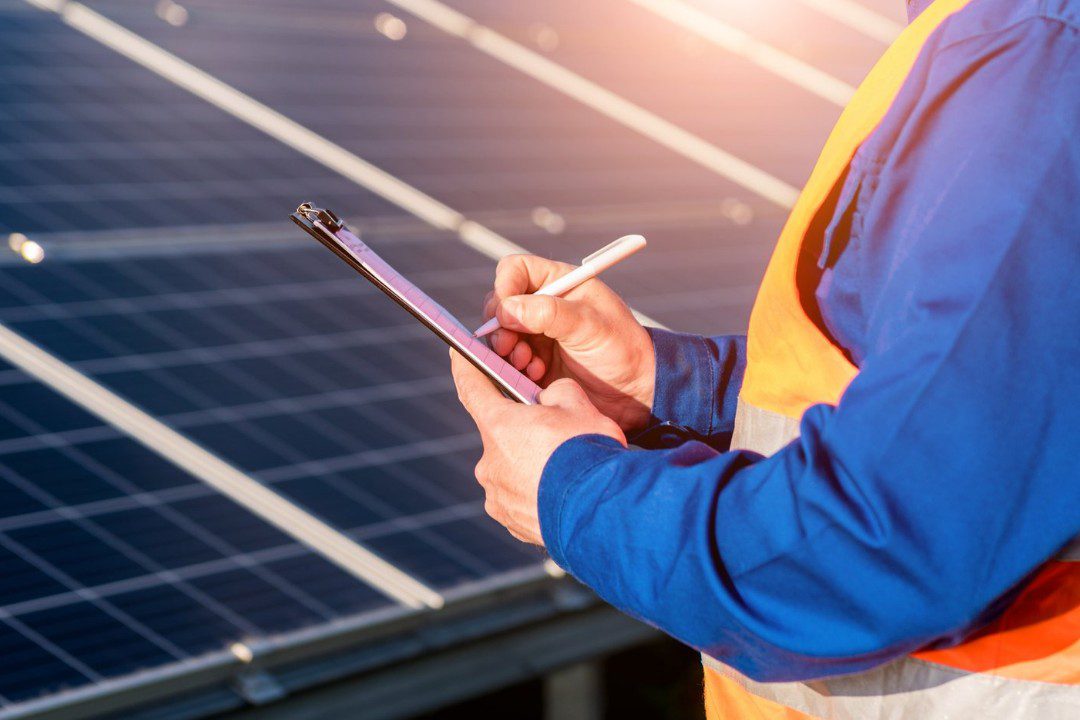
Why a Solar Inspection Matters When Selling a Home with Solar
When buyers tour a home with solar panels, they may ask the following questions:
- How much energy does the system produce?
- Is the equipment still under warranty?
- Are the panels owned outright or tied to a lease?
- Is the solar panel system functioning correctly?
A professional solar inspection will answer all of these questions. It gives you documentation you can share upfront, confirms that your energy system is working as expected, and shows buyers that you have taken care of your property. That kind of transparency can be the difference between a smooth closing and a delayed one.
For sellers, a solar inspection also identifies any issues early — before they come up during the buyer's own due diligence. For example, catching a loose inverter connection or degraded panel output ahead of time is far easier and less costly than addressing it mid-transaction.
The Best Time to Schedule a Solar Inspection Before Selling
The short answer: schedule your solar inspection before selling your home goes on the market — ideally four to six weeks before your listing goes live.
Here is why that timing works in your favor:
Before listing
Scheduling your solar transfer inspection before listing gives you time to request any repairs, gather documentation, and brief your realtor on the system's performance data. Buyers may ask about the solar panel system during the first showing, and you want answers ready.
During active listing
If you did not schedule an inspection before going live, do not wait. Buyers may request one as part of their offer terms, and a seller-ordered inspection gives you more control over timing and scope.
After an offer is accepted
At this stage, a solar inspection is often required by the buyer's lender or is part of the home inspection contingency. Having an existing inspection report on hand can simplify negotiations and confirm that the system is still operating at peak performance.
Most solar panels last around 25 to 30 years, so even a system installed a decade ago should still be operating efficiently. But age, weather exposure, and maintenance history all affect system health — and a solar inspection will surface any concerns before they become deal-breakers.

What a Solar Transfer Inspection Covers
A solar transfer inspection is more thorough than a basic visual check. A qualified technician will assess your complete solar panel system from top to bottom. Here is what the inspection typically includes:
Panel condition and output
The technician checks each panel for cracks, discoloration, debris buildup, and signs of wear. They also verify how much energy the system is producing compared to its original design output. This tells buyers exactly how the system is performing now.
Inverter health
The inverter is the heart of your solar energy system. It converts the power your panels collect into usable electricity for your home. The inspection will confirm whether the inverter is functioning correctly and flag any error codes or age-related concerns.
Monitoring system review
Many modern solar systems come with a monitoring platform that tracks daily and monthly energy production. The inspection will review this performance data and confirm that the monitoring system is active and accessible — something your new homeowner will need access to after the sale.
Roof and mounting hardware
Panels are attached to your roof with racking hardware. Inspectors check that mounting points are secure, that the roof beneath the panels shows no signs of damage, and that water sealing around penetration points is intact.
Electrical connections and grid tie-in
The inspection confirms that all wiring, breakers, and utility connections are safe and up to code. Net metering agreements are also reviewed to confirm the system is properly registered with your utility.
Warranty documentation
A solar inspection will help you identify which components are still under warranty and for how long. Panels, inverters, and workmanship warranties transfer differently depending on solar companies and the terms of your original installation agreement.

Roof Condition and System Health
Your roof and your solar panel system are connected, and if your roof shows signs of age or damage, buyers may question whether the solar installation contributed to it or whether the roof will need replacement soon after closing. Either concern can delay or derail a sale.
A solar transfer inspection addresses both. The technician will check the condition of your roof beneath and around the panels, confirm that mounting hardware is secure, and verify that all penetration points are properly sealed against water intrusion. This gives buyers documentation that the roof and solar system were reviewed together — not separately.
The inspection will also confirm that your panels are still operating at or near their rated output, that the inverter is functioning correctly, and that your monitoring system is active. Panel degradation is normal over time — solar panels last around 25 to 30 years with gradual efficiency loss — but buyers want to know where your system is in that lifespan and how much energy it is still producing.
If the inspection identifies any issues, addressing them before listing is always the better path. Replacing a failing inverter or clearing a maintenance concern ahead of time is far less costly than a mid-transaction repair request or a price reduction negotiated under pressure. A clean system health report tells the new homeowner they are purchasing a solar panel system that is operating at optimal levels — and that is a strong selling point.
Owned Systems vs. Leased Systems: What Buyers Need to Know
One of the most important things to communicate to buyers is whether your solar panel system is owned outright or tied to a solar lease or loan. This single detail shapes the entire transfer process.
If the system is owned
Owned systems add immediate value to your home's sale price. The solar panel system transfers with the property, and the new homeowner takes on full ownership at closing. Your realtor can work with an appraiser to reflect the solar asset in the listing price, and buyers may qualify for additional energy savings from day one.
If the system is financed through a solar loan
Solar loans are tied to the borrower, not the property. In most cases, the seller pays off the loan balance at closing, or the buyer agrees to assume the remaining loan. Make sure you have documentation of the loan terms and current balance so there are no surprises during the transaction.
If the system is under a lease
Leased systems require the buyer to take over the lease from the original agreement. Not all buyers are willing or able to do this, so communicate lease details early. Some buyers may ask the seller to buy out the remaining lease before closing. Leased systems do not add the same appraisal value as fully paid owned systems add — but they can still be a selling point if monthly payments are lower than the buyer's current utility bills.
Your realtor should be familiar with how solar finance arrangements affect real estate transactions in your area. If they are not, the U.S. Department of Energy's SunShot resources provide clear guidance on solar ownership, leasing, and loan options for homeowners.

What to Include in a Solar Checklist for Your Home Sale
Before your home goes on the market, use this home sale solar checklist to confirm you have everything a buyer or seller will need during the process:
Ownership and finance documentation
Locate your original solar installation contract, purchase agreement, or lease. If you have a solar loan, gather your current balance and lender contact details. Confirm whether the system is owned or financed and have paperwork ready to share with your realtor and escrow team.
Warranty records
Pull all warranty documentation for your panels, inverter, and installation workmanship. Note the expiration dates and whether warranties transfer to the new homeowner. Most reputable solar companies offer panel warranties of 25 years and inverter warranties of 10 to 15 years.
Performance history
Print or export at least 12 months of monitoring data from your solar system. This gives buyers a clear picture of your energy production across seasons and confirms that the system is generating real, ongoing long-term savings.
Utility account details
Contact your utility company to confirm your net metering agreement and clarify what steps are needed to transfer the account to the new owner. Some utilities require a formal transfer request to keep solar credits active.
Inspection report
Schedule your solar transfer inspection and have the written report ready before closing. A clean inspection report is one of the most powerful tools for building buyer confidence and keeping the transaction on track.
Is It Harder to Sell a House with Solar Panels?
Selling a home with solar panels is not harder — but it does require more preparation than a standard home sale. Buyers want to know what they are getting, and solar adds a layer of documentation, finance history, and transfer logistics that a conventional home sale does not.
The good news is that most of that complexity works in your favor. A well-documented solar panel system with a clean inspection report, transferable warranty, and clear ownership history gives buyers confidence and gives your realtor a concrete selling point. Homes with owned solar systems tend to attract buyers who are already thinking about long-term savings and energy independence. These buyers are typically very motivated, informed, and want to move quickly.
Where sellers run into trouble is when solar details come out late in the transaction. Buyers may feel caught off guard by a lease they did not expect to assume, or a loan balance that affects the sale price. That kind of surprise slows things down and can complicate negotiations.
The simplest way to protect your home sale is to get ahead of it. A solar transfer inspection, complete documentation, and early communication with your realtor and escrow team eliminate most of the friction before it starts. When buyers can see performance data, review warranty records, and understand exactly how ownership or finance will transfer, the solar panel system becomes an asset, not an obstacle.
Our team at New Day Solar can walk you through the transfer process and help you prepare the paperwork and inspection report your buyer or seller team will need to move forward with clarity.
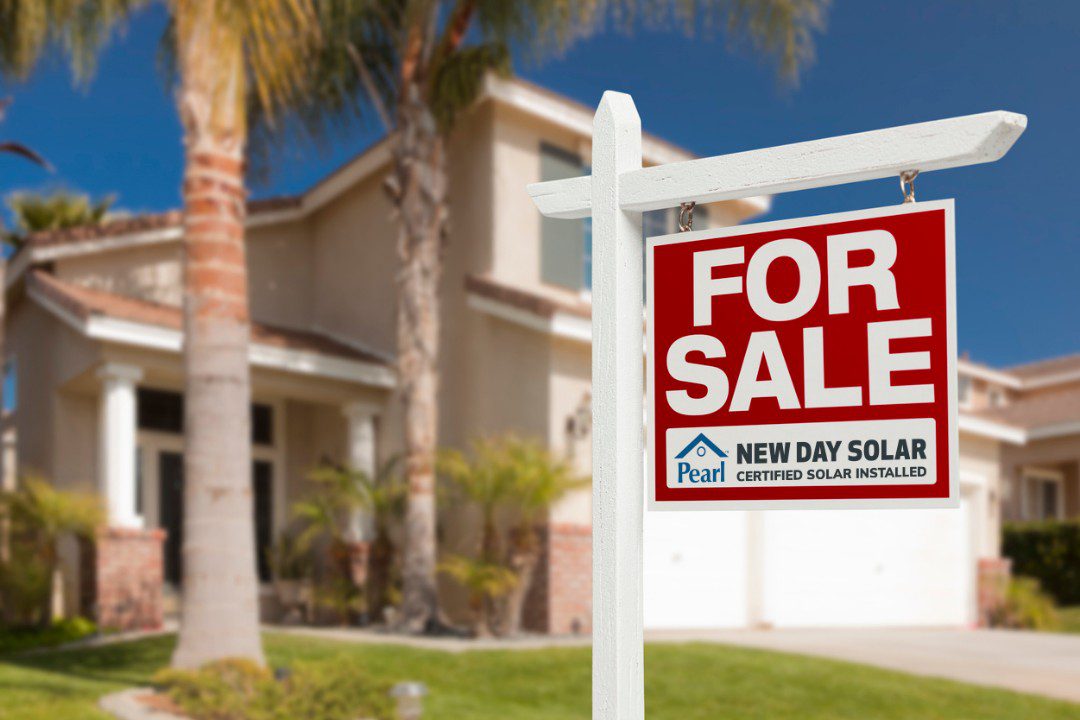
How Solar Can Help You Get More for Your Home
Solar can help you attract more serious buyers, justify a higher asking price, and reduce time on market. A study by Zillow showed that homes with owned solar panel systems sell for more than comparable homes without them — and buyers increasingly expect energy-efficient features as a baseline.
Potential buyers in Southern California, where New Day Solar serves homeowners across Riverside, San Diego, Los Angeles, Orange, and Ventura counties, are especially attuned to energy costs. With utility bills climbing every year, a home that delivers energy savings from day one is a strong competitor in the real estate market.
Your realtor plays a key role here. Make sure they understand how to communicate your system's value — not just in terms of panel specs, but in terms of real monthly savings, long-term benefits, and the seamless transition your inspection report makes possible.
Insurance, Appraisal, and Disclosures
Three areas that sellers often overlook until late in the process are insurance, appraisal, and disclosure requirements — all of which are directly affected by your solar panel system.
Insurance
Your current homeowner's insurance policy may cover your solar panels as part of the structure, or they may require a separate rider, or endorsement. Before closing, confirm your coverage details with your insurer and let the buyer know what documentation is available. Buyers will need to set up their own policy at closing, and knowing how the solar system was previously insured helps prevent delays or gaps in coverage.
Appraisal
Solar panel systems are a recognized home value asset, but appraisers need documentation to account for them properly. Owned systems add measurable value to an appraisal when supported by performance data, installation records, and warranty documentation. Leased systems are treated differently; appraisers typically do not add value for panels the homeowner does not own. It's important to work with your realtor to make sure your appraiser receives a full solar panel system summary so the property's value is accurately determined.
Disclosures
Most states require sellers to disclose the presence of a solar system as well as any finance arrangements tied to the property. California has specific disclosure requirements around solar leases and loans that affect the buyer's obligations at closing. Your realtor should be familiar with these requirements, and your solar company can provide the documentation needed to fulfill them accurately.
Getting these three areas sorted early simplifies the closing process and reinforces the transparency that buyers are looking for when purchasing a home with solar panels.
Ready to Prepare Your Home for Sale?
Selling a home with solar panels does not have to be complicated. With the right preparation — a professional solar inspection, complete documentation, and a realtor who understands the additional requirements of homes with solar systems — you can move forward with confidence and clarity.
New Day Solar is here to help Southern California homeowners every step of the way. Whether you need a solar transfer inspection, help understanding your warranty, or guidance on communicating your system's value to potential buyers, our team is ready to support you.
Contact New Day Solar today to schedule your pre-sale solar inspection and make sure your home sale provides a return on your solar investment.
Posted by New Day Solar
3 months ago / April 30, 2026
At New Day Solar, we are committed to improving the world we live in, as well as helping our community create brighter tomorrows!
With the expertise that New Day Solar provides, as well as the federal tax credits and rebates available, solar electricity is beneficial to everyone. Not only will you help conserve our environment, but you can save some money too! Solar electricity is not just a luxury, but also an investment for your home and country. Electricity is only going to get more expensive, but with help from New Day Solar, you can harness the sun’s energy and use it to your advantage.
Filed Under: